

Golden Epaulettes Aviation - A globally recognized, top-ranking institute for ground training in aviation.

Using Weather Maps to Plan a Flight

Using weather maps to plan a safe flight is a crucial part of safe navigation and should not be overlooked. Weather maps provide pilots with essential information about weather patterns and allow them to plan their route and altitude with confidence. The most important weather map to consider when planning a flight is the surface analysis chart, which shows temperature, pressure, wind speed, and other weather-related data. In addition, pilots should consider upper-level winds, cloud cover, and precipitation forecasts. By interpreting the data on weather maps, pilots can make informed decisions about which route to take and which altitude to fly. It is also important to consider the potential for turbulence, icing, and other dangerous conditions. By using weather maps to plan a flight, pilots can ensure that their journey is as safe and comfortable as possible.
ReviewReview
4.9 out of 5 based on 800+ Review
just-dial
4.8/5
Workshop Registration
Enroll Now
Enroll Now
Pilots Trained
4000+ Pilots Trained
World-Class Instructors
Live Online / Classroom
Countries
20+Countries & Counting
#
Program Name
Class Type
Batch Start Date
Enroll Now
#1
DGCA Ground Classes
Preparatory Classes
Online/Offline
4th June, 2025
Enroll Now
#1
INDIGO CADET PROGRAM
Preparatory Classes
Online/Offline
2nd June, 2025
Enroll Now

Overview - Using Weather Maps to Plan a Flight

As an aircraft pilot, having a thorough understanding of how to interpret weather maps and apply them to your flight planning is essential for a safe and successful flight. Using weather maps to plan a flight can be a complex task, but with the right knowledge, it can be an invaluable tool for pilots.
Weather maps are a graphical representation of the current and forecast weather conditions. They provide pilots with an overview of the potential weather hazards they may encounter during their flight. Weather maps can be used to identify fronts and other weather phenomena, as well as the intensity and direction of winds. This information is crucial for flight planning, as it can help pilots determine the best routes to take, the most efficient altitudes to fly, and the most suitable airports to land at.
When planning a flight, pilots should first analyze the weather conditions in the area they’re flying to. This includes looking at the current and forecasted wind speeds, temperatures, and cloud cover. Pilots should also consider the forecasted visibility and precipitation. By studying all of these factors, pilots can determine their course of action. If the forecast looks good, they can proceed with their flight plan. If the forecast looks unfavorable, they may need to adjust their route or cancel the flight altogether.
Once the weather has been evaluated, pilots can begin to interpret the weather map. This includes observing the isobars, which are curved lines that indicate the pressure gradient. Pilots should also look for fronts, which are boundaries between two different air masses. Understanding the location and movement of fronts can help pilots determine if the weather will be stable or turbulent. Additionally, pilots should pay attention to the wind direction and speed, which can help them determine the best routes to take.
Using weather maps to plan a flight can be a daunting task, especially for novice pilots. However, by understanding the various symbols and elements of a weather map, pilots can make informed decisions and plan a safe and successful flight. With a good understanding of weather maps, pilots can ensure they fly in the best possible conditions and avoid dangerous situations.
Drop us a Query
Enroll now for Best Science Course
course
Thank you! Your submission has been received!
Oops! Something went wrong while submitting the form.

One-on-One Counselling Sessions

Choosing to become a pilot is a life-changing decision—and you shouldn’t have to make it alone.
At Golden Epaulettes, we offer personalized one-on-one counseling sessions with experienced airline captains who’ve helped thousands of students make the right career move.
workshop

Book a 1-on-1 Pilot Career Counselling Session

Your Career Deserves Clarity, Not Confusion
Choosing to become a pilot is a life-changing decision—and you shouldn’t have to make it alone. At Golden Epaulettes, we offer personalized one-on-one counseling sessions with experienced airline captains who’ve helped thousands of students make the right career move.
  • Assessment of your academic background & eligibility
  • Custom roadmap for Cadet or CPL path based on your financials and timeline
  • Clarification on DGCA medicals, flying schools, exams, and type ratings
  • Honest advice about scholarships, loans, and affordability for middle-class families
  • Mindset coaching to overcome fear, doubt, or misinformation

Freebies for Aspiring Pilots

This comprehensive subject encompasses Air Law, Operational Procedures, Human Performance and Limitations, and Communications. Air Law covers international and national aviation laws, regulations, and licensing requirements.
Steps to becoma a Pilot
How to Clear Group Discussion
How to Clear Group Interview
DGCA Ground Class Brochure
content

Complete Information - Using Weather Maps to Plan a Flight: This article will discuss the importance of using weather maps to plan a safe flight, including how to interpret the information and how to make informed decisions.

It is essential for pilots to use weather maps when planning a flight. Weather maps provide pilots with important information about wind, temperature, pressure, and precipitation that can help them make informed decisions. By understanding the information on weather maps, pilots can make the best decisions for the safety of their passengers, crew, and aircraft.
Weather maps display information about the atmosphere in the form of symbols and numbers. These symbols and numbers help to identify areas of high and low pressure, wind direction and speed, temperature, and precipitation. Understanding how to interpret the symbols and numbers is essential for informed decision-making.
When planning a flight, the most important information to consider is wind speed and direction. Wind speed is the speed at which air is moving and is measured in knots. The direction of the wind is measured in degrees, which is the direction the wind is blowing in relation to true north. Knowing the wind speed and direction can help pilots determine how to best navigate their aircraft and avoid turbulence.
Temperature is also important to consider when planning a flight. The temperature of the air can affect the performance of the aircraft. When temperatures are too high, the air becomes less dense, resulting in a decrease in lift, and the aircraft may not be able to maintain altitude. Conversely, when temperatures are too low, the air becomes more dense, resulting in an increase in lift, and the aircraft may be able to maintain altitude.
Pressure is another factor to consider when planning a flight. Low pressure systems generally indicate stormy weather, whereas high pressure systems usually indicate fair weather. Pressure gradients are also important to consider, as they can indicate areas of turbulence.
Finally, the amount of precipitation that is expected should be taken into account. Rain, snow, and icing can all affect the performance of an aircraft. Icing can cause the aircraft to lose lift and can lead to a loss of control. Therefore, it is important to be aware of the potential for precipitation and modify the flight plan accordingly.
In conclusion, weather maps are essential tools for pilots to use when planning a flight. By understanding how to interpret the information on the maps, pilots can make informed decisions to ensure the safety of their passengers, crew, and aircraft. Understanding the information on the maps can help pilots to make the best decisions for the safety of their flight.
Drop us a Query
Enroll now for Best Science Course
course
Thank you! Your submission has been received!
Oops! Something went wrong while submitting the form.

Social Media

This comprehensive subject encompasses Air Law, Operational Procedures, Human Performance and Limitations, and Communications. Air Law covers international and national aviation laws, regulations, and licensing requirements. Operational Procedures include standard operating protocols

Best of support with us

Get Free Counselling from our Counsellor

Counselling
Computer Number Application & Board Verification Made Easy
Counselling
Personalized Study Plan & Career Roadmap (CPL & Cadet Program)
Counselling
Live Doubt Clearing + One-on-One Mentorship with Airline Captains

Join India’s Fastest-Growing Pilot Community – Learn Directly from Airline Captains!

Join the Golden Epaulettes Pilot Community—India’s fastest-growing network for aspiring aviators. This mentorship-driven platform connects you with experienced airline captains, including Capt. Deval Soni and Capt. Tomar Awdhesh. Whether you're just starting or preparing for your cadet pilot journey, this community is your gateway to expert guidance, peer connections, and real industry knowledge.
webinar

Join the GE Pilot Community

Stay Informed, Stay Ahead

Become part of the fastest-growing pilot mentorship group in India.The Golden Epaulettes Community is where aspiring pilots connect, learn, and grow—guided by experienced airline captains.
  • Get notified about exclusive webinars, career updates & DGCA changes
  • Connect with fellow aspirants, alumni, and mentors
  • Access curated study tips, updates, and aviation news
  • Engage with Experts and receive insights from Capt. Deval Soni & Capt. Tomar Awdhesh
  • Be Part of a Network of thousands of like-minded future aviators
  • Early Access to webinars, workshops.
Join the GE Community

Register for Webinar

Are you planning to pursue a career in aviation but unsure where to begin?Gain actionable insights from Capt. Deval Soni, an A320 Commander and mentor to over 3,500 aspiring pilots across India.
Thank you! Your submission has been received!
Oops! Something went wrong while submitting the form.
live webinar

Books Preview

This comprehensive subject encompasses Air Law, Operational Procedures, Human Performance and Limitations, and Communications. Air Law covers international and national aviation laws, regulations, and licensing requirements. Operational Procedures include standard operating protocols and emergency procedures. Human Performance and Limitations examine the physiological and psychological aspects affecting pilot performance. Communications focus on standard aviation communication procedures and phraseology.
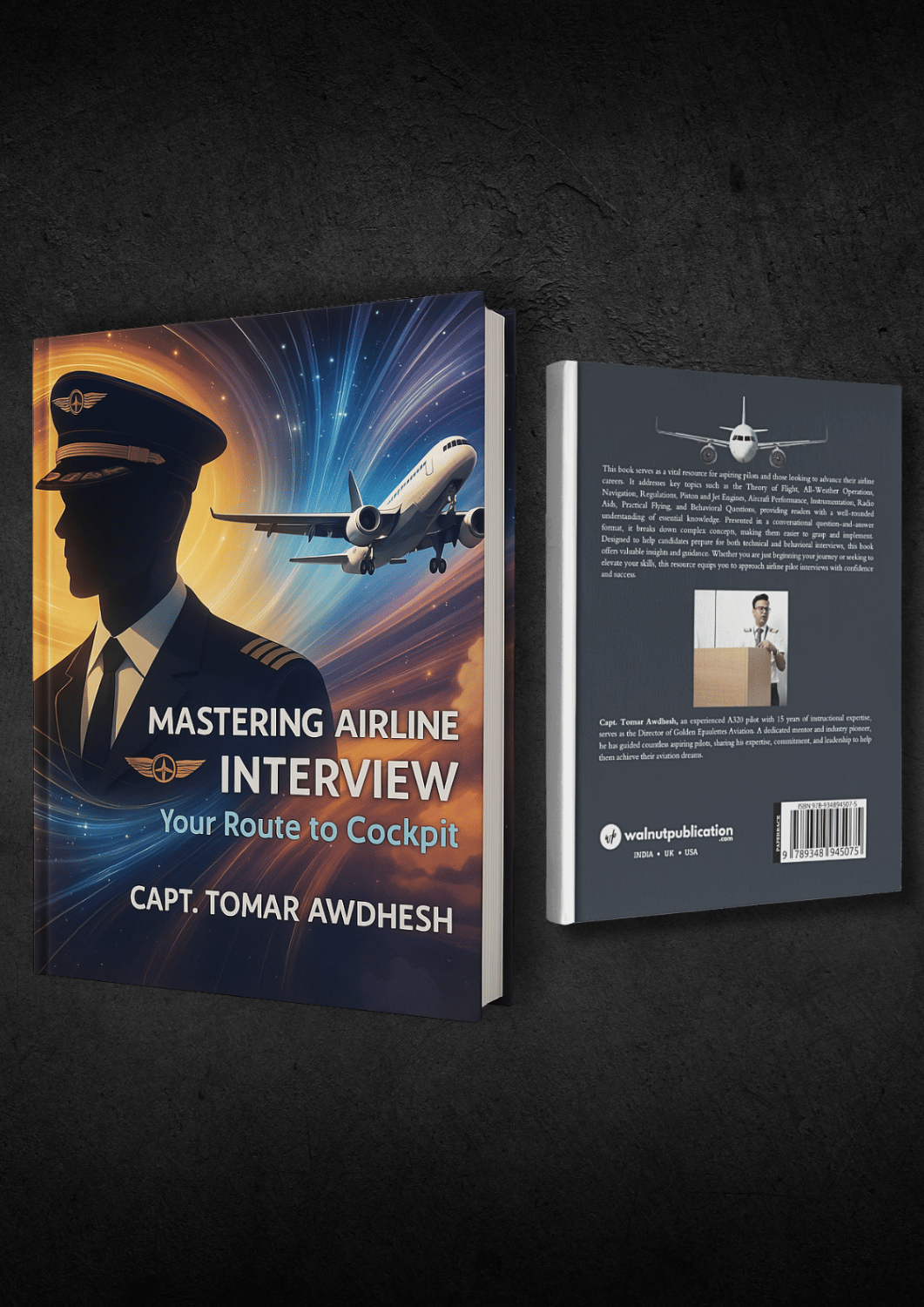
Mastering Airline Interview

Mastering Airline Interview

Mastering Airline Interview
Instrument Navigation

Instrument Navigation

Instrument Navigation
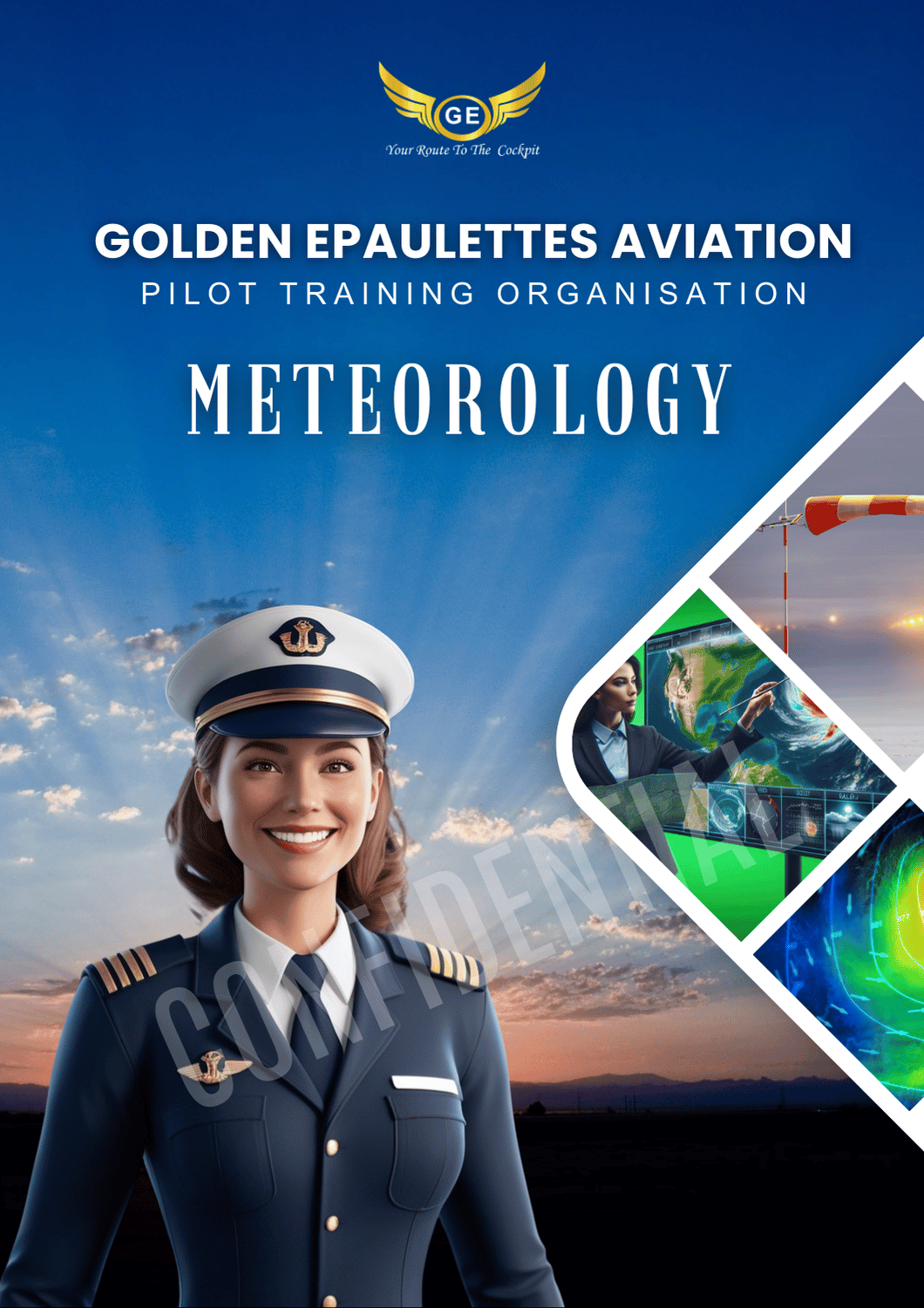
Meteorology

Meteorology

Meteorology
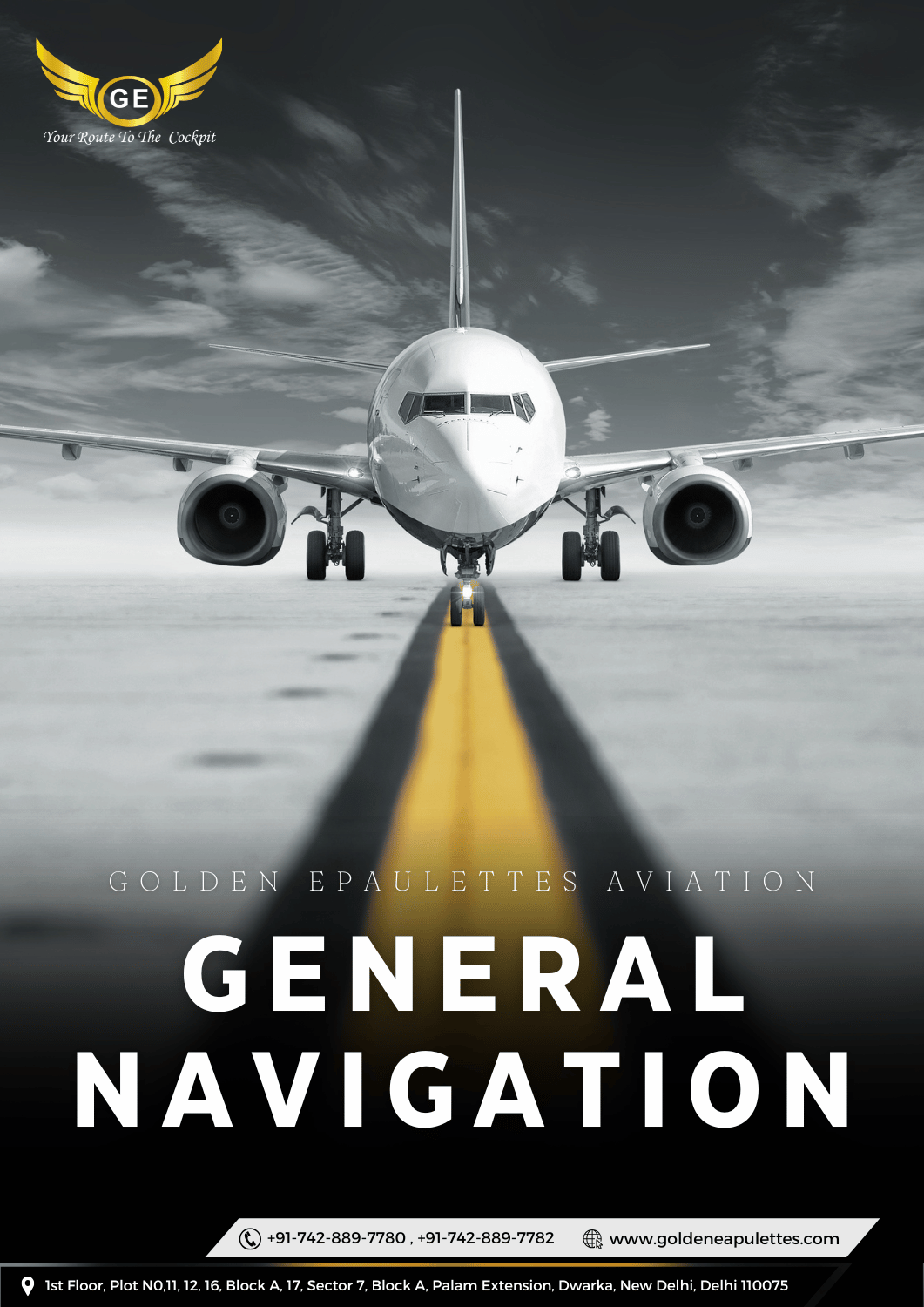
General Navigation

General Navigation

General Navigation
images
images
images
images
images
images
images
images
images
images
images
images
images
images
images
images
images
images
images
images
images
images
images
images

Article, Blogs News, and Job Guide Information- Published By 4Achievers

https://ge.digitalworkportfolio.com/NULL
Commercial Pilot Licence

Tips for Passing the Air Regulations Course on the First Try :

This article will provide tips and advice on how to pass the Air Regulations course on the first try, including studying strategies and practice exams.
Meghna Thomas
13 Mar 2023
6 min read
https://ge.digitalworkportfolio.com/NULL
Commercial Pilot Licence

Flight Simulation :

An introduction to the principles and practices of flight simulation, including its practical application in the training of commercial pilots.
Meghna Thomas
13 Mar 2023
2 min read
https://ge.digitalworkportfolio.com/NULL
Commercial Pilot Licence

Types of Aircraft Instruments Used in Aviation Meteorology Courses :

This article will provide an overview of the various types of aircraft instruments used in aviation meteorology courses, such as altimeters and compasses.
Rohit
13 Mar 2023
8 min read
https://ge.digitalworkportfolio.com/NULL
Commercial Pilot Licence

Aircraft Systems and Maintenance :

An overview of the aircraft systems and maintenance requirements for CPL holders.
Meghna Thomas
13 Mar 2023
4 min read
https://ge.digitalworkportfolio.com/NULL
Commercial Pilot Licence

Exam Prep Tips for Aviation Meteorology Courses :

This article will provide tips for preparing for an aviation meteorology course exam, such as studying the material and practicing exam questions.
Rohit
13 Mar 2023
1 min read
https://ge.digitalworkportfolio.com/NULL
Commercial Pilot Licence

Exploring Dead Reckoning and Piloting for Air Navigation :

A look at the techniques used in navigating aircraft.
Rohit
13 Mar 2023
10 min read
https://ge.digitalworkportfolio.com/NULL
Commercial Pilot Licence

Understanding Aircraft Performance in Air Navigation :

A look at how aircraft performance affects navigation and flight planning.
Kevin
13 Mar 2023
4 min read
https://ge.digitalworkportfolio.com/NULL
Commercial Pilot Licence

Understanding Aviation Regulations :

An overview of the regulations and safety practices applicable to CPL holders.
Premtosh Mishra
13 Mar 2023
9 min read
https://ge.digitalworkportfolio.com/NULL
Commercial Pilot Licence

Human Factors in Aviation :

An overview of the human factors that must be taken into account when operating an aircraft.
Rohit
13 Mar 2023
2 min read
https://ge.digitalworkportfolio.com/NULL
Commercial Pilot Licence

The Different Steps of Obtaining a Commercial Pilot License :

An overview of the different steps of obtaining a CPL, from pre-flight training to the practical flight test.
Premtosh Mishra
13 Mar 2023
8 min read
https://ge.digitalworkportfolio.com/NULL
Commercial Pilot Licence

Aircraft Instruments and Equipment :

An overview of the instruments and equipment used by CPL holders.
Kuldeep
13 Mar 2023
5 min read
https://ge.digitalworkportfolio.com/NULL
Commercial Pilot Licence

How to Prepare for the Commercial Pilot License (CPL) Exam :

To prepare for the CPL exam, a pilot must first complete a training course which covers all relevant topics. The pilot should also practice flying in different conditions and practice the maneuvers that will be tested. It is also important to study the written materials, such as FAA publications and textbooks, in order to understand the principles of flight.
Meghna Thomas
13 Mar 2023
3 min read
https://ge.digitalworkportfolio.com/NULL
Commercial Pilot Licence

Aviation Meteorology :

An overview of the meteorological conditions and weather systems applicable to CPL holders.
Rohit
13 Mar 2023
5 min read
https://ge.digitalworkportfolio.com/NULL
Commercial Pilot Licence

What Commercial Pilots Need to Know About Air Regulations :

This article will discuss what commercial pilots need to know about Air Regulations, including regulations, safety rules, and best practices.
Meghna Thomas
13 Mar 2023
2 min read
https://ge.digitalworkportfolio.com/NULL
Commercial Pilot Licence

The Benefits of Taking an Online Air Regulations Course :

This article will discuss the benefits of taking an online Air Regulations course, including its convenience, affordability, and flexibility.
Kevin
13 Mar 2023
10 min read
https://ge.digitalworkportfolio.com/NULL
Commercial Pilot Licence

Aircraft Maintenance and Inspection :

An overview of the maintenance and inspection requirements applicable to CPL holders.
Kuldeep
13 Mar 2023
5 min read
https://ge.digitalworkportfolio.com/NULL
Commercial Pilot Licence

Introduction to Aviation Meteorology Course in Commercial Pilot License (CPL) :

This article will provide an overview of the Aviation Meteorology course in CPL, including the importance of learning the topics, the syllabus, and how to select the best course.
Premtosh Mishra
13 Mar 2023
2 min read
https://ge.digitalworkportfolio.com/NULL
Commercial Pilot Licence

Courses for Simulator Classes :

Get information about the different courses available for simulator classes in CPL.
Kevin
13 Mar 2023
3 min read
https://ge.digitalworkportfolio.com/NULL
Commercial Pilot Licence

Aviation Safety :

An overview of the safety procedures and practices applicable to CPL holders.
Premtosh Mishra
13 Mar 2023
3 min read
https://ge.digitalworkportfolio.com/NULL
Commercial Pilot Licence

Aviation Weather Services :

This article will provide an overview of the aviation weather services available, such as weather forecasts, weather advisories, and aviation weather alerts.
Premtosh Mishra
13 Mar 2023
7 min read

Student Placement

Airports are the essential arteries of travel and trade in USA, serving as vital gateways to the world. Our website showcase the top 3 airports in this region, highlighting their pivotal role in connecting people and businesses globally. These airports not only offer convenience for travelers but also power economic growth by facilitating trade and tourism.
email

Email

Our friendly team is here to help.
fly@goldenepaulettes.com
phone

Phone

Mon-Fri from 8am to 5pm.
+91-742-889-7782
Thank you! Your submission has been received!
Oops! Something went wrong while submitting the form.
icons Talk to Career Counsellor